
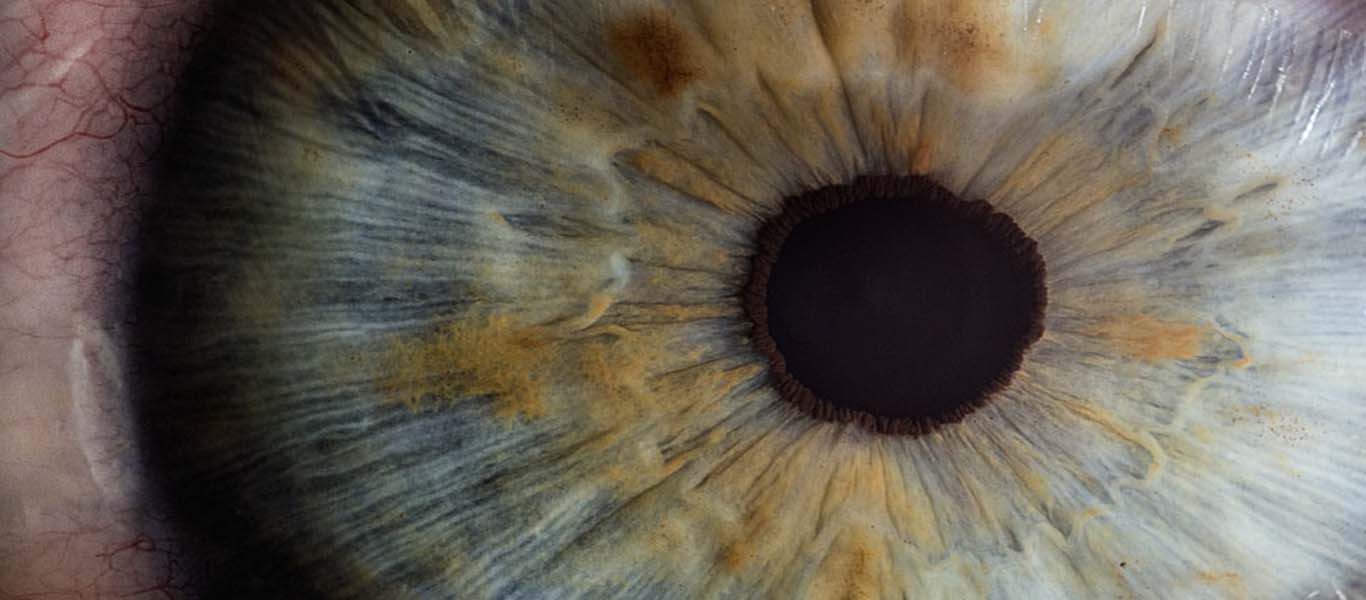


Advanced Cataract Surgery
Our natural lens works like a camera lens, crystal clear in most of us. As we age, this lens can become cloudy, affecting millions of people worldwide. The way smudgy lenses cause blurring of vision, our natural lens loses its transparency over time.
Cataract surgery is most often done as an outpatient procedure. Prior to cataract surgery, antibiotic eye drops may be prescribed to prevent infection. The incision made to remove the cataract is so small that it usually does not require stitches. Phacoemulsification (a type of ultrasound) is the most common method used to remove the cataract.
Retina Evaluation & Treatment
It involves a comprehensive eye exam with a dilated fundus exam and imaging tests like OCT and fundus photography to diagnose issues. Treatment depends on the condition and can include laser photocoagulation for tears or diabetic retinopathy, anti-VEGF injections for macular degeneration, or surgical procedures like vitrectomy for severe retinal detachment.
Refractive Surgeries
It is a type of eye surgery that corrects vision problems like nearsightedness, farsightedness, astigmatism, and presbyopia by reshaping the cornea.

Welcome to Sharada Eye Hospital
25+ Years Experience
Strives to provide exceptional ophthalmic care for infants, children and adults. We pride ourselves on working together as an experienced and highly qualified team to provide timely appointments for both routine and urgent care when required.
Our ophthalmologists provide comprehensive routine and urgent ophthalmic care for adults, including for problems such as:
* Cataract
* Macular degeneration
* Glaucoma
* Diabetic eye conditions
* Eyelid conditions
* Dry, watery and irritated eyes
* Screening for ocular side effects of medications
Our Team
Meet Our Doctors
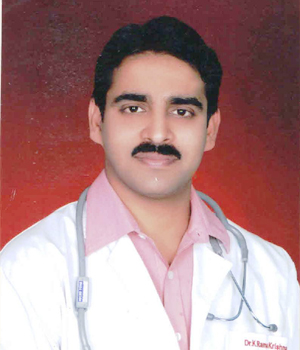
Dr. K Ramakrishna
MBBS, MS, FICO, FAGS
Glaucoma & Phaco Refractive Surgeon
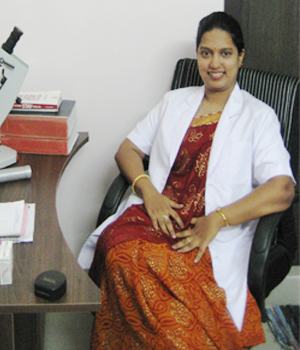
Dr. Chaitra K.L
MBBS, MS, FICO, FVRS
Vitreo Retina & UVEA
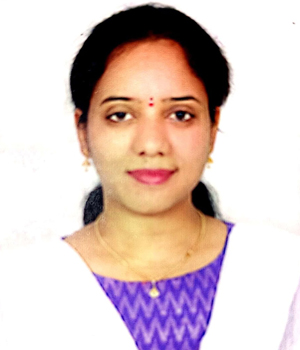
Dr. Sumana Priya.S.B
MBBS, MS
Ophthalmology
Frequently Asked Question
You May Ask
An ophthalmologist is a Specialist Medical Doctor who has completed a medical degree (6-7 years), followed by an internship, residency, and senior residency (3+ years) and who has then completed specialist training in the field of ophthalmology (5 years). Additionally, an ophthalmologist may have undertaken further subspecialist fellowship training in areas such as paediatrics, strabismus, pterygium, retinal conditions, etc.
Ophthalmologists are comprehensively trained in the medical treatment of eye conditions as well as in safely performing laser and surgical interventions.
An optometrist is a healthcare professional (not a medical doctor) who has completed 4-5 years of university studies in the field of optometry. Optometrists perform routine eye examinations, prescribe spectacles and contact lenses, and can also prescribe eye drops for certain indications. An optometrist will refer patients to an ophthalmologist for serious eye conditions which require medical and/or surgical treatment.
Due to the comprehensive nature of an eye examination, we ask all patients to allow two hours for their consultation. This time may vary given the nature of your condition and the reason for your visit.
During the course of your consultation, you will undergo a number of clinical assessments with an assistant health care professional (either an ophthalmic technician, orthoptist or optometrist) as well as your ophthalmologist. These assessments will likely include the use of dilating eye drops, which require approximately 15-30 minutes to take effect. Additionally, you may also undergo additional diagnostic tests or scans as part of your appointment.